
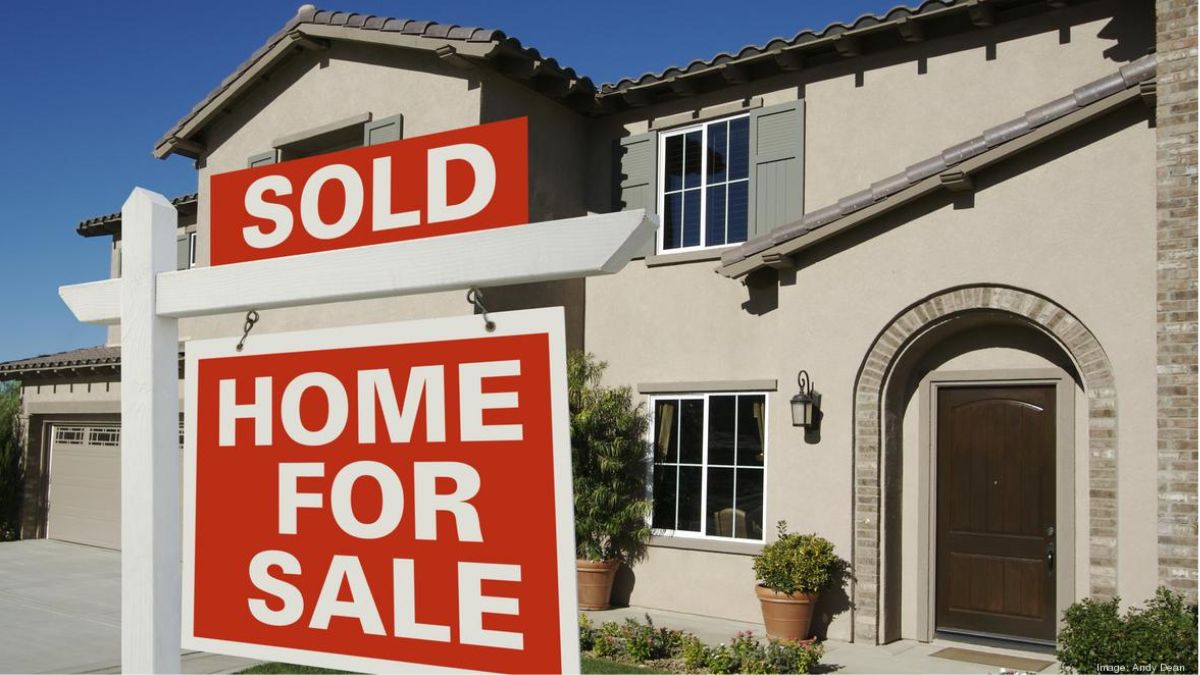
Selling a home is one of the biggest financial decisions most people make. With changing market dynamics, buyer expectations, and technology, navigating today’s real estate landscape requires strategy, preparation, and a clear understanding of how the process works.
This comprehensive guide will walk you through every step of selling your home in today’s market — from pricing it right and preparing for listing to negotiating offers and closing the deal
Understanding the Current Housing Market
How the Market Has Evolved
The real estate market in 2025 has shifted compared to previous years. Factors like rising interest rates, economic fluctuations, and changing buyer behavior have all played a role. Sellers today face a more educated and cautious buyer pool. Homes still sell well, but only when priced and presented correctly.
Is It a Buyer’s or Seller’s Market?
Understanding whether you’re in a buyer’s or seller’s market affects your pricing and expectations. In a seller’s market, demand exceeds supply, giving sellers an advantage. In a buyer’s market, there are more homes for sale than buyers, leading to longer listing times and price reductions.
Check local inventory levels, average days on market, and recent comparable sales to evaluate your area.
Preparing Your Home for Sale
Declutter and Depersonalize
Buyers need to imagine themselves in your home. Remove personal photos, excess furniture, and clutter. A clean, neutral space photographs better and appeals to a wider audience.
Make Necessary Repairs
Address obvious issues like leaky faucets, cracked tiles, broken windows, or squeaky doors. These small fixes can go a long way in making a strong first impression.
Consider Professional Staging
Staging highlights your home’s strengths and downplays its weaknesses. Professionally staged homes often sell faster and for more money.
Improve Curb Appeal
First impressions count. Fresh paint, a well-maintained lawn, and a clean driveway can increase buyer interest even before they step inside.
Setting the Right Price
Why Pricing Matters More Than Ever
In today’s data-driven market, buyers compare homes instantly online. If your home is overpriced, it may sit on the market too long, forcing price reductions later — and making buyers suspicious.
How to Determine Market Value
Work with a real estate agent to review a Comparative Market Analysis (CMA). This includes:
- Recent sales of similar homes (comps)
- Active listings (your competition)
- Expired listings (what didn’t sell and why)
Online valuation tools like Zillow’s Zestimate can be a starting point, but they’re not a substitute for local expertise.
Marketing Your Home Effectively
Hire a Skilled Real Estate Agent
A knowledgeable agent brings pricing expertise, local market knowledge, and access to marketing tools that can elevate your home’s exposure. Choose an agent with a proven sales record and excellent communication skills.
Invest in Professional Photography and Videography
The majority of home buyers start their search online. High-quality photos and videos — including virtual tours — are essential to capturing attention and generating showings.
Use Online Listings to Your Advantage
List your property on major real estate platforms such as:
- Zillow
- Realtor.com
- Redfin
- Multiple Listing Service (MLS)
Ensure your listing description is well-written, highlighting key features, upgrades, and neighborhood perks.
Leverage Social Media and Email Marketing
Social media platforms like Facebook, Instagram, and even TikTok can be effective in showcasing your property. Email marketing to agents and buyers’ networks can also help spread the word.
Host Open Houses and Private Showings
Open houses are great for exposure, while private showings allow serious buyers to explore your home at their own pace. Make sure the home is clean, well-lit, and welcoming for every visit.
Navigating Offers and Negotiations
Reviewing Offers
When offers come in, look beyond just the price. Consider:
- Contingencies (inspection, appraisal, financing)
- Closing timeline
- Earnest money deposit
- Buyer’s financing type
Your agent can help you compare multiple offers and weigh the pros and cons of each.
Counteroffers and Negotiation Strategies
Be prepared to negotiate. You might counter a lower offer with a higher price, or negotiate terms such as who pays for repairs or closing costs.
Tips for strong negotiation:
- Stay professional and unemotional
- Be willing to compromise on small points
- Know your bottom line before you start
Dealing with Multiple Offers
If your home attracts multiple bids, your agent can help you manage a bidding war — but that doesn’t always mean just taking the highest number. The strongest offer balances price with clean terms and buyer reliability.
The Closing Process
Home Inspection and Appraisal
Most buyers will schedule a home inspection to uncover any hidden issues. If problems are found, be prepared for repair requests or concessions.
An appraisal is ordered by the lender to ensure the home’s value supports the loan amount. If it comes in low, renegotiation may be necessary.
Final Walkthrough
The buyer will do a final walkthrough just before closing to ensure the home is in the agreed-upon condition and any negotiated repairs are complete.
Signing Documents and Transferring Ownership
You’ll sign the deed, settlement statement, and other legal documents. Once everything is signed and the buyer’s funds are received, ownership is officially transferred.
Conclusion
Selling your home in today’s market can feel overwhelming, but with the right knowledge and preparation, you can navigate the process smoothly and maximize your sale price. Understanding current market conditions, preparing your home thoughtfully, pricing it competitively, and leveraging strong marketing strategies are essential steps. Partnering with an experienced real estate agent can also make a significant difference in managing negotiations and closing the deal efficiently.
Remember, every home sale is unique. Stay flexible, patient, and communicative throughout the journey to achieve the best possible outcome.
FAQs
Q1: How long does it typically take to sell a home today?
The average time on market varies by location and price range but generally ranges from 30 to 60 days. Homes that are priced correctly and well-prepared often sell faster.
Q2: Should I make major renovations before selling?
Not always. Focus on necessary repairs and improving curb appeal. Major renovations may not always yield a high return on investment. Consult your agent to prioritize projects that add the most value.
Q3: How important is staging when selling a home?
Staging can significantly increase buyer interest and perceived value. Professionally staged homes often sell faster and for more money compared to unstaged properties.
Q4: What is a seller’s market versus a buyer’s market?
In a seller’s market, demand exceeds supply, giving sellers an advantage. In a buyer’s market, there are more homes for sale than buyers, often leading to lower prices and longer listing times.
Q5: Can I sell my home without a real estate agent?
Yes, but selling without an agent (For Sale By Owner) can be challenging. Agents offer expertise in pricing, marketing, negotiating, and managing paperwork that can make the process smoother and more profitable.
Q6: What costs should I expect when selling my home?
Typical costs include agent commissions (usually 5-6% of the sale price), closing costs, repairs, staging expenses, and potential capital gains taxes. It’s important to budget for these ahead of time.